


#International Conference
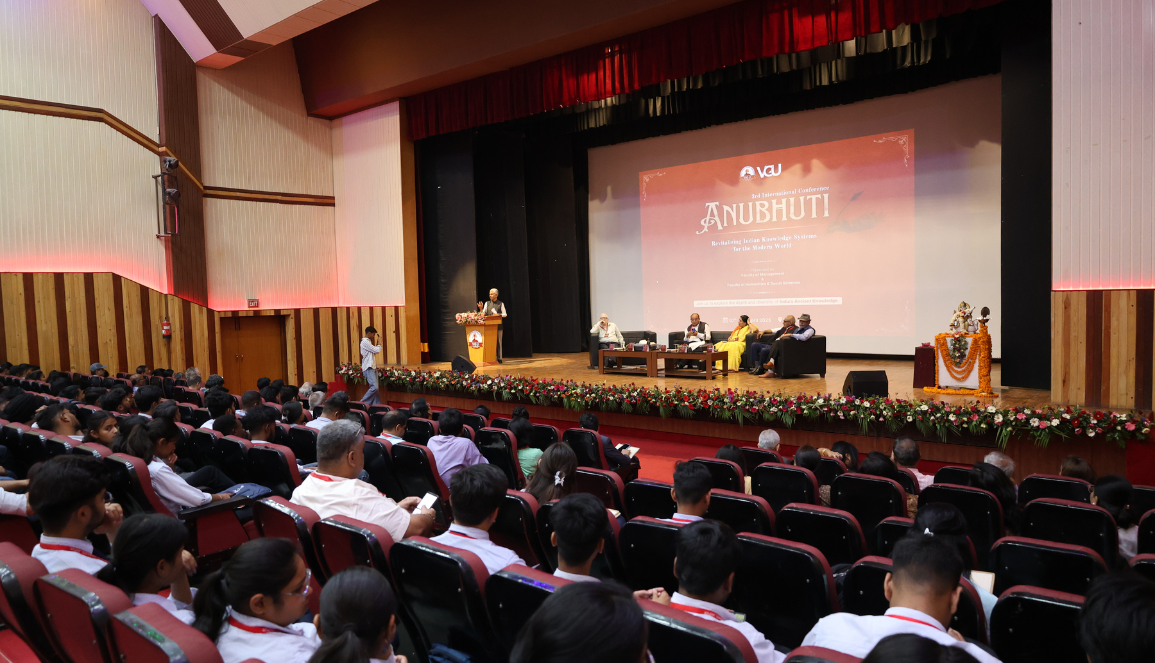
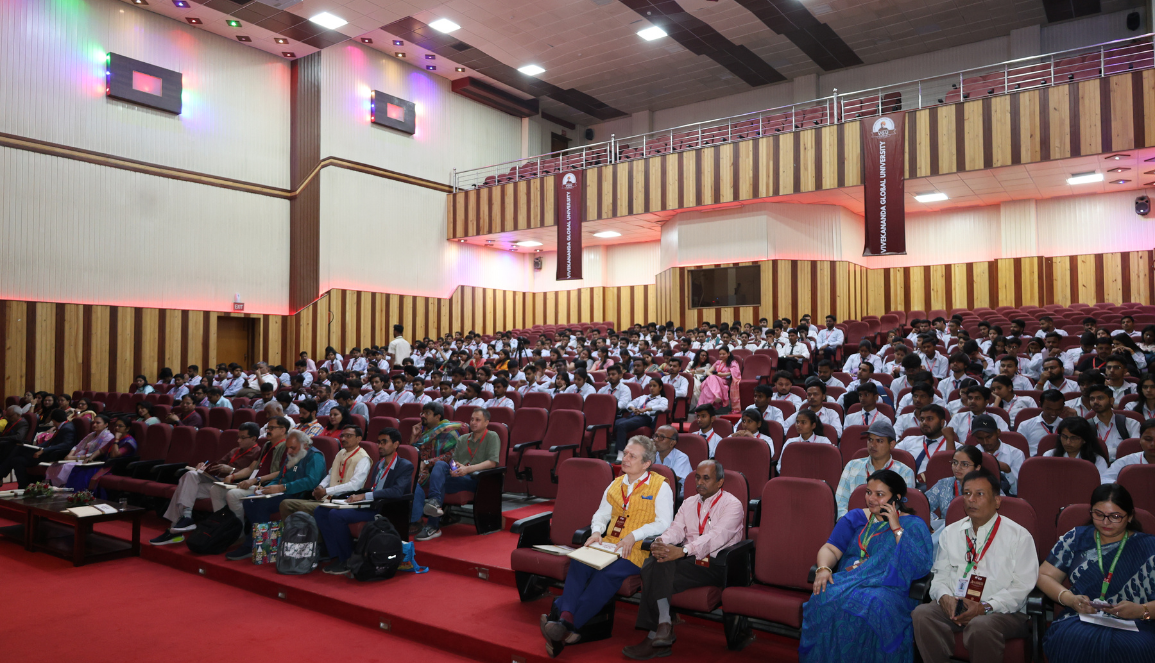
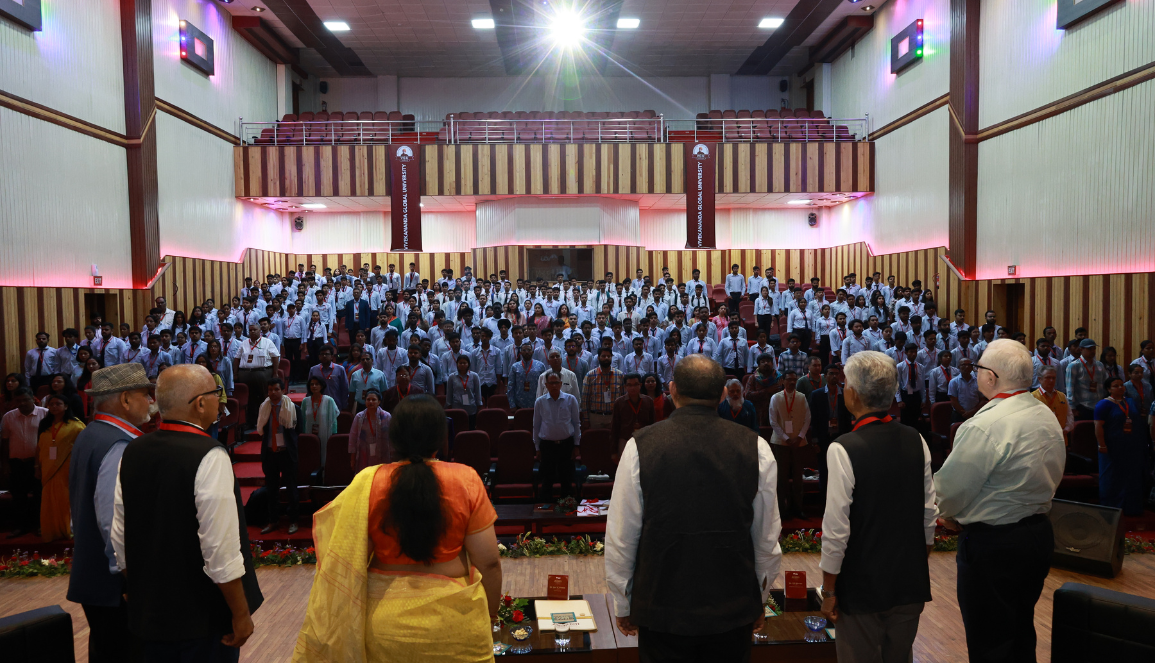
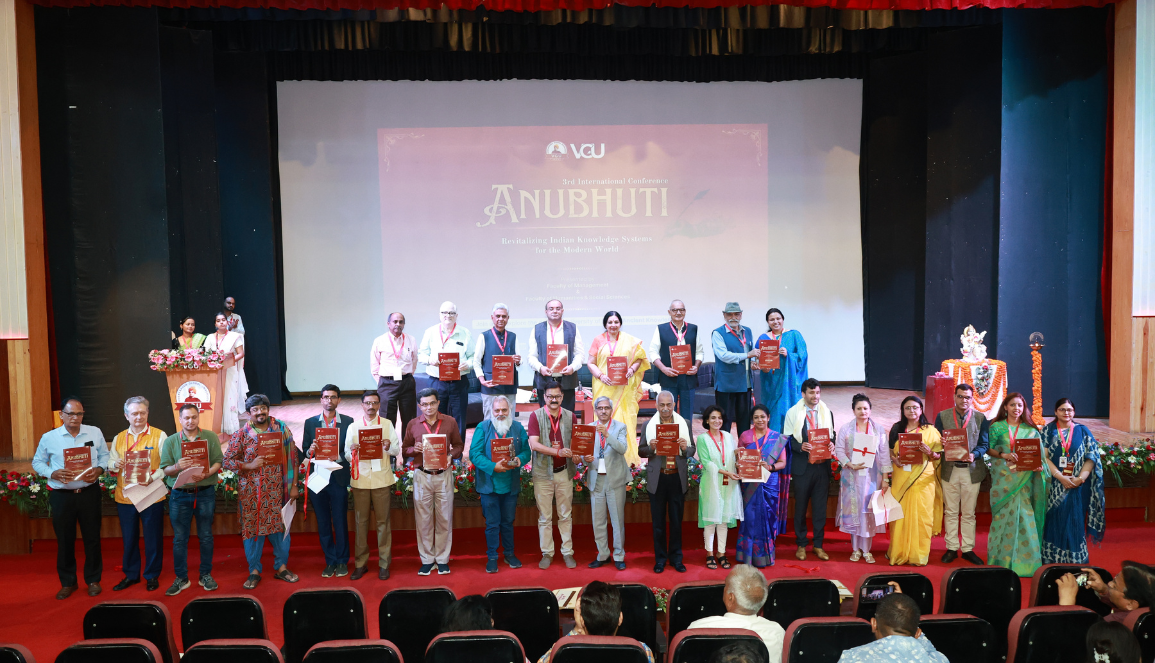
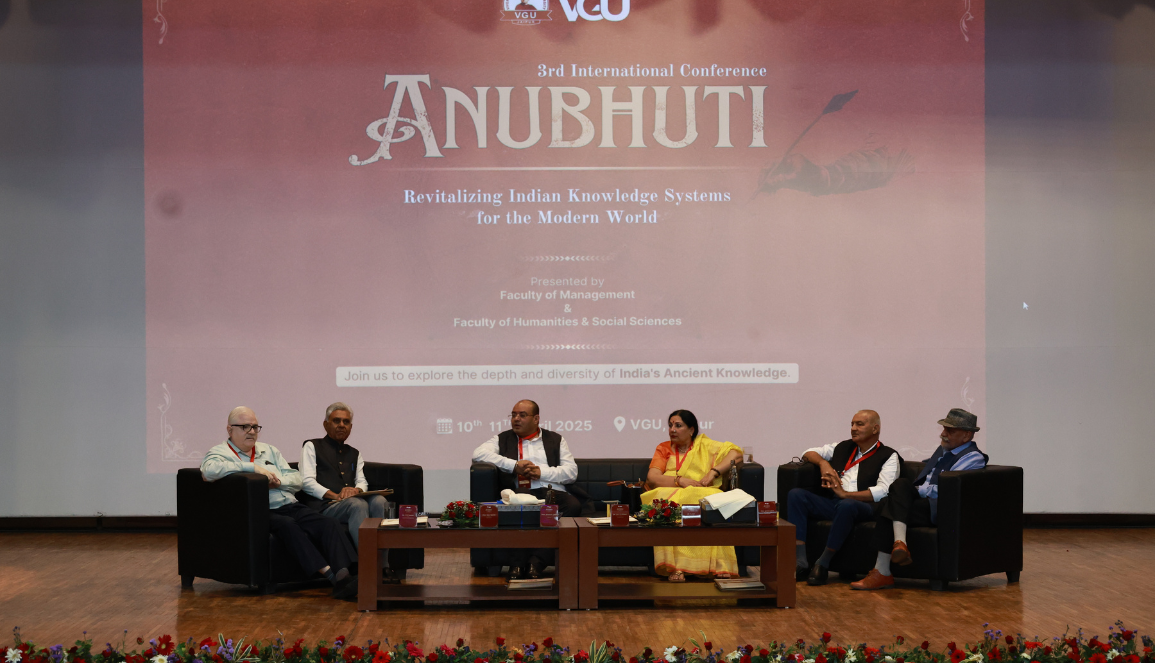
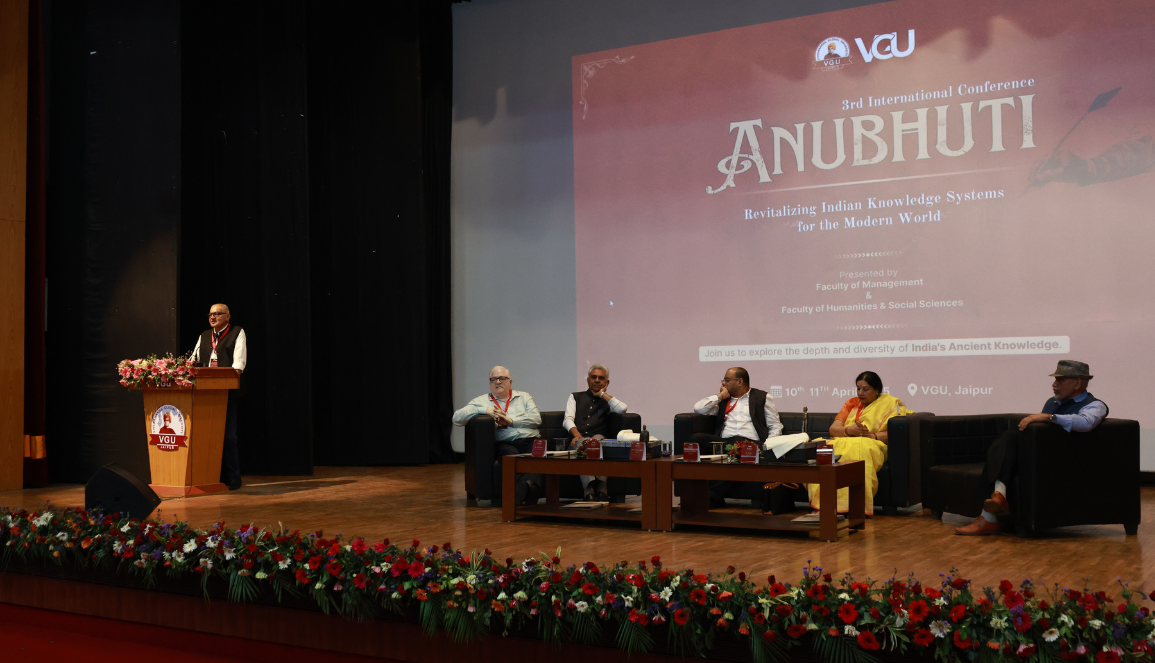
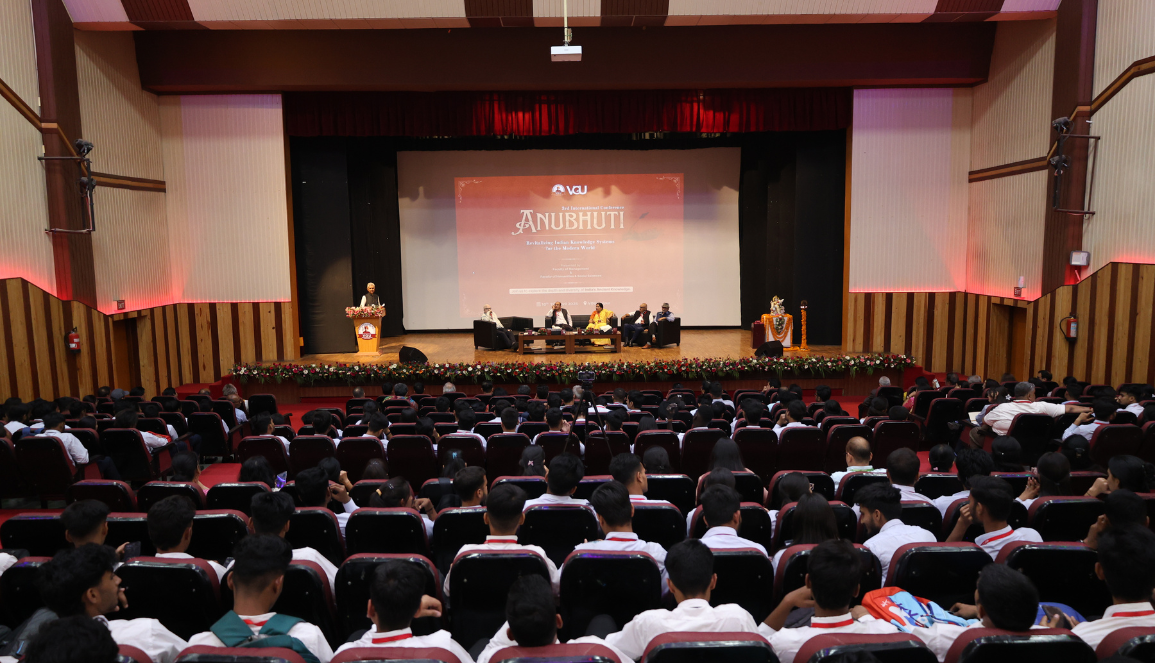
Indian Knowledge Systems (IKS) represent one of the richest civilizational knowledge traditions in the world, shaped through centuries of philosophical inquiry, cultural evolution, ecological wisdom, and scientific advancement. Encompassing diverse domains- philosophy, governance, ecology, health sciences, education, economy, and aesthetics- IKS offers a holistic worldview rooted in harmony between the individual, society, and nature. While deeply grounded in heritage and cultural memory, IKS remains adaptable and innovative, offering frameworks that remain relevant to contemporary global challenges.
In an era characterized by climate uncertainty, social fragmentation, rapid technological shifts, and cultural homogenization, IKS provides integrative, time-tested perspectives that emphasize sustainability, inclusion, and ethical well-being. Building on the success of the third edition, Anubhūti: Revitalizing IKS for the Modern World (2025), the fourth edition aims to move the discourse from revitalization to application—exploring how IKS can guide governance, pedagogy, community health, ecological stewardship, economic resilience, and intercultural dialogue in the 21st century.
Anubhuti 4.0 seeks to convene scholars, practitioners, policymakers, educators, cultural ambassadors, and innovators to reflect on IKS as a dynamic knowledge reservoir with global relevance. By fostering discourse across ecology, economy, governance, pedagogy, and cultural expression, the conference positions IKS not merely as a heritage repository but as a transformational framework capable of addressing urgent contemporary issues and shaping sustainable futures.
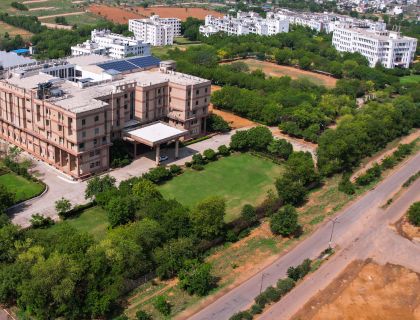
Vivekananda Global University,Jaipur is a premier multidisciplinary private university ranked A+ by NAAC in its first cycle and recognized among leading institutions in Asia, securing Rank 666 in QS Asia University Rankings 2025. With over 11,000+ students from across India and 16 countries, the university offers more than 50 programs across 14 disciplines, including Agriculture, Engineering, Management, Law, Design, Applied Sciences, Hospitality, Pharmacy, and Humanities, along with robust Online and ODL programs.
VGU is distinguished for its strong innovation and research ecosystem, reflected in its 4.5-star rating by the Ministry of Education’s IIC, the establishment of Rajasthan’s first Atal Community Innovation Centre (ACIC) by NITI Aayog, and MSME-supported Technology Business Incubator under the ASPIRE scheme. The university also hosts the SIDBI Swavalamban Chair for MSME Solutions and has been awarded “University of the Year – West” by ASSOCHAM. With three incubation centres supporting over 40 start-ups, and collaborations with national bodies such as KVIC, Jal Jeevan Mission, BEE, and CSIR-NEERI, VGU continues to strengthen its role as a hub of innovation, entrepreneurship, and societal impact. Guided by the vision of Swami Vivekananda, the university remains committed to academic excellence, global engagement, and holistic nation-building.
.jpg
)
Anubhuti: Discourses in Indian Knowledge Systems – Pathways of Culture, Inclusion, and Sustainability is an interdisciplinary conference that seeks to re-engage with India’s rich intellectual traditions in the context of contemporary global challenges. The conference aims to illuminate how the philosophical, scientific, ecological, and socio- cultural foundations of Indian Knowledge Systems (IKS) can contribute to more inclusive, sustainable, and ethical pathways for the future.
Drawing upon the core values of NEP 2020 and the global vision of the Sustainable Development Goals (SDGs), this event provides a platform for scholars, researchers, practitioners, policymakers, and industry experts to revisit traditional wisdom and explore its relevance in the modern world. The sessions will focus on thematic areas such as ecological resilience, governance and justice, holistic health systems, transformative pedagogy, intercultural dialogues, and indigenous economic models.
By bringing together diverse voices and disciplines, Anubhuti seeks to foster critical inquiry, intellectual exchange, and collaborative innovation. The conference aspires to encourage reinterpretation of IKS not merely as historical knowledge but as a living framework capable of shaping sustainable societies, equitable governance, and culturally grounded development.
The conference welcomes conceptual, empirical, textual, comparative, and policy-oriented research that engages with Indian Knowledge Systems in relation to:
| Event | Date |
|---|---|
| Abstract Submission Deadline | 30th September 2025 |
| Notification of Abstract Acceptance | 31st October 2025 |
| Full Paper Submission | 15th December 2025 |
| Peer Review Feedback to Authors | 20th January 2026 |
| Final Revised Paper Submission | 5th February 2026 |
| Conference Dates | 12th–13th February 2026 |
| Category | Early Bird | Regular | Late/On Spot Registration* |
|---|---|---|---|
| Students |
INR 500 USD 80 |
INR 800 USD 85 |
INR 900 USD 90 |
| Research Scholars |
INR 1000 USD 90 |
INR 1200 USD 95 |
INR 1500 USD 100 |
| Academicians & Researchers |
INR 2100 USD 160 |
INR 2500 USD 170 |
INR 3000 USD 180 |
| Industry Personnel & Others |
INR 2500 USD 200 |
INR 3000 USD 210 |
INR 3500 USD 220 |
Paid accommodation for the participants will be made available on the first come first serve basis inside the campus.
Accommodation FormWe invite scholars, researchers, and enthusiasts to submit abstracts and papers on topics related to the conference themes. Abstract submission needs to be done through google form and official communications to be done through anubhuti.iks@vgu.ac.in
Selected high-quality conference papers will be considered for publication with Springer Nature in suitable edited volumes or proceedings, subject to peer review.
Authors may also be invited to submit extended versions of their work to a special issue of the Journal of Dharma Studies.
All submissions must meet the publisher’s academic standards and will undergo a rigorous review process.
All submissions will undergo a rigorous double-blind peer review process.
Authors may be asked to revise their papers based on reviewer comments before final acceptance.
The conference adheres to internationally accepted academic publication ethics.
Submissions violating ethical standards will be rejected at any stage.
The dialogue around IKS is not an end in itself but a beginning—of inquiry, collaboration, and collective responsibility towards knowledge that belongs to all. As the Upaniṣadic invocation reminds us:
“सर्वे भवन्तु सुखिनः; सर्वे सन्तु निरामयाः। सर्वे भद्राणि पश्यन्तु, मा कश्चिद् दुःखभाग्भवेत् ॥”
Topic: “Tatva-Samīksha: Exploring Core Principles of IKS across various disciplines"
Objectives of the Discussion:
The session seeks to explore this inquiry and arrive at nuanced perspectives on what exactly constitutes IKS.
Topic: “Intellectual Property Rights (IPR) and Indian Knowledge Systems: Preservation, Protection, and Promotion”
Objectives of Workshop:
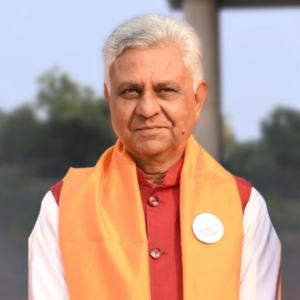
Chairperson, Vivekananda Global University, India
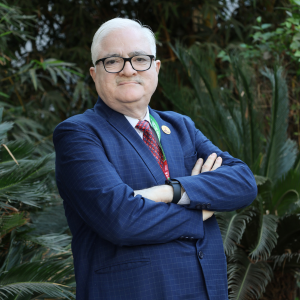
President , Vivekananda Global University, India
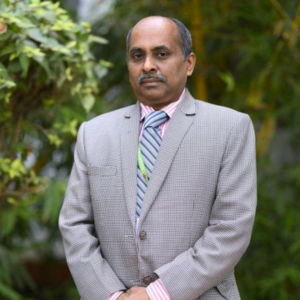
Pro-President (Research Affairs), Vivekananda Global University, India
Founder & CEO, Brhat Foundation

Star King College, California
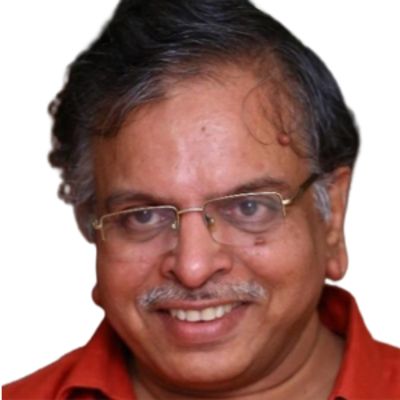
Kulapati – INDICA
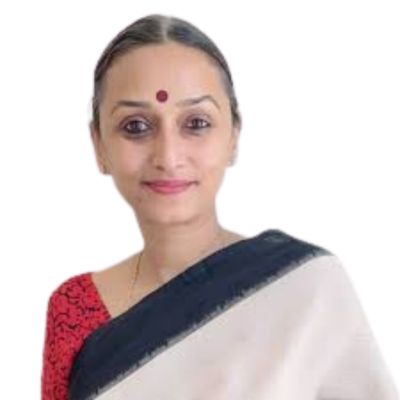
Director, Brhat Foundation
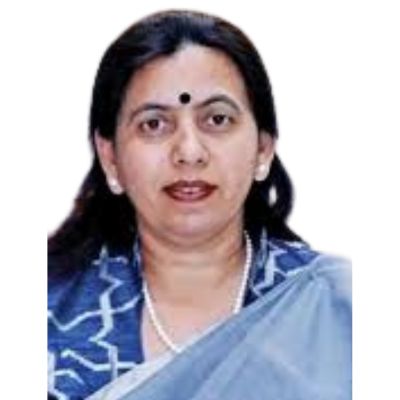
Vice Chancellor, BAOU Gujarat
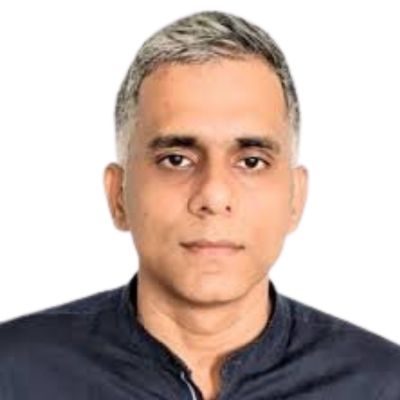
Sri University, Cuttack
Central University of Gujarat
Head, CSIR–Traditional Knowledge Digital Library Unit

NIMHANS

Banaras Hindu University

National Institute of Advanced Studies

Founder, Technology Change Lab
MIT Pune
Chairperson and National Council Member - ISTD Ahmedabad
Prof. Praveen Choudhry, Registrar, Vivekananda Global University, India
Ms. Malvika Dudi Bagaria, Director, FoM, Vivekananda Global University, India
Prof. Vikas Shrotriya, Associate Dean, FoM, Vivekananda Global University, India
Dr. Boola Choudhary, Associate Dean, Faculty of Humanities & Social Sciences, Vivekananda Global University, India
Prof. Sheila RaiChairperson, India Policy Foundation, India
Prof. Vijay Vir Singh – Vice Chancellor, Apeejay Stya University, India
Prof. M. S. Chaitra – Director & Senior Fellow, Foundation for Study of Indian Culture (FSIC), India
Prof. Ashish Pandey – Professor, Shailesh J. Mehta School of Management (SJMSOM), IIT Bombay, India
Brigadier (Prof.) Dr. J. S. Rajpurohit – Consultant, IKS Division, Ministry of Education, Government of India, India
Prof. Nisha Pandey – Advisor, Faculty of Humanities & Social Sciences, Vivekananda Global University, India
Dr. Shreya Mathur – Faculty of Management, Vivekananda Global University, India
Dr. Harshita Sharma – Faculty of Humanities & Social Sciences, Vivekananda Global University, India
Dr. Puneet Yadav – Faculty of Humanities & Social Sciences, Vivekananda Global University, India
Dr. Sofia Khan – Faculty of Management, Vivekananda Global University, India
Dr. Kirti Jha – Faculty of Humanities & Social Sciences, Vivekananda Global University, India
Mr. Aman Mishra – Faculty of Humanities & Social Sciences, Vivekananda Global University, India
Dr. Vinod M. Lakhwani – Faculty of Management, Vivekananda Global University, India
Ms. Tavishi Limaye – Faculty of Humanities & Social Sciences, Vivekananda Global University, India
Dr. Ashima Agrawal – Faculty of Management, Vivekananda Global University, India
Dr. Priya Modi – Faculty of Humanities & Social Sciences, Vivekananda Global University, India
Prof. Deepali Singh – Research & Development, Vivekananda Global University, India
Prof. Vijayendra Shrivastava – Faculty of Management, Vivekananda Global University, India
Ms. Bhoomika Badlani – Faculty of Humanities & Social Sciences, Vivekananda Global University, India
Mr. Aseem Purohit – Faculty of Management, Vivekananda Global University, India
Ms. Sonia Mukherjee – Faculty of Management, Vivekananda Global University, India
Mr. M. S. Shekhawat – Faculty of Management, Vivekananda Global University, India
Ms. Manisha Yadav – Faculty of Humanities & Social Sciences, Vivekananda Global University, India
Ms. Aishwarya Sharma – Faculty of Humanities & Social Sciences, Vivekananda Global University, India
Dr. Anushree Gaur – Faculty of Humanities & Social Sciences, Vivekananda Global University, India
Mr. Kamal Krishna – Faculty of Management, Vivekananda Global University, India
Dr. Chinmay Kulshrestha – Faculty of Humanities & Social Sciences, Vivekananda Global University, India
Dr. Yaseen Khan – Faculty of Management, Vivekananda Global University, India
Ms. Archana Sahay Saini – Faculty of Humanities & Social Sciences, Vivekananda Global University, India
Ms. Priyanshi Mathur – Faculty of Humanities & Social Sciences, Vivekananda Global University, India
Dr. Nidhi Sharma – Faculty of Humanities & Social Sciences, Vivekananda Global University, India
Ms. Pooja Sidharth Raju – Faculty of Humanities & Social Sciences, Vivekananda Global University, India
Dr. Garima Chauhan – Faculty of Humanities & Social Sciences, Vivekananda Global University, India
Dr. Lehar Israni – Faculty of Humanities & Social Sciences, Vivekananda Global University, India
Ms. Bhanupriya Tiwari – Faculty of Humanities & Social Sciences, Vivekananda Global University, India
Ms. Ayushi Nagar – Faculty of Humanities & Social Sciences, Vivekananda Global University, India
Dr. Koushik Chowdhury – Faculty of Humanities & Social Sciences, Vivekananda Global University, India
Ms. Aditi Saxena – Faculty of Humanities & Social Sciences, Vivekananda Global University, India
Ms. Madhulika Srivastava – Faculty of Management, Vivekananda Global University, India
Dr. Sagar Gupta – Faculty of Management, Vivekananda Global University, India
Dr. Trapti Tak – Faculty of Management, Vivekananda Global University, India
Dr. Reena Jain – Faculty of Management, Vivekananda Global University, India
Ms. Sneha Banga – Faculty of Management, Vivekananda Global University, India
Ms. Chandni Phophalia – Faculty of Humanities & Social Sciences, Vivekananda Global University, India
Mr. Abhirup Singh – Faculty of Management, Vivekananda Global University, India
Mr. Abhishek Singh – Faculty of Management, Vivekananda Global University, India
Ms. Anshika Jain – Faculty of Management, Vivekananda Global University, India
Mr. Deepak Gangwar – Faculty of Management, Vivekananda Global University, India
Dr. Sarita Agarwal – Faculty of Management, Vivekananda Global University, India
Ms. Kritika Singh Rathore – Faculty of Management, Vivekananda Global University, India
Faculty of Humanities and Social Sciences
&
Faculty of Management
Vivekananda Global University, Jaipur
12th & 13th February 2026
Dr. Shreya Mathur- 99998 16980
Dr. Harshita Sharma- 9001968963
Dr. Puneet Yadav- 9415400785
Dr. Lehar Israni- 7015834898
Ms. Madhulika Srivastava- 8890377336
Prof. Vijayendra Shrivastava- 9571832972